Key Takeaways for Engineers
Core Technical Points:
- Standard Compliance: Complies with ISO 6722 and the latest ISO 14811:2024 standards
- Material Breakthrough: FISSOT Copper-Clad Steel (CCS) achieves 19% IACS conductivity, far exceeding the industry average of 15%
- Application Scenarios: CCS is recommended for engine compartments and grounding systems requiring high vibration resistance and high strength
- Selection Priority: Conductivity (25%) > Heat & Oil Resistance (20%) > Insulation Performance (20%) > Safety Standards (20%) > Flexibility (10%) > Cost (5%)
Abstract
Low-voltage wiring harness conductors, as the “blood vessels” and “nerves” of automotive electrical systems, undertake the dual core tasks of signal transmission and energy delivery. This article systematically analyzes the core technical requirements, material selection strategies, application scenario matching, and future development trends of low-voltage wiring harness conductors, providing comprehensive technical references and practical guidance for automotive electrical system design.
Key Takeaways for Engineers
Core Technical Points:
- Standard Compliance: Complies with ISO 6722 and the latest ISO 14811:2024 standards
- Material Breakthrough: FISSOT Copper-Clad Steel (CCS) achieves 19% IACS conductivity, far exceeding the industry average of 15%
- Application Scenarios: CCS is recommended for engine compartments and grounding systems requiring high vibration resistance and high strength
- Selection Priority: Conductivity (25%) > Heat & Oil Resistance (20%) > Insulation Performance (20%) > Safety Standards (20%) > Flexibility (10%) > Cost (5%)
1. Introduction
In modern automotive engineering, the reliability and performance of electrical systems are decisive for the normal operation of the entire vehicle and the safety of passengers. With the continuous improvement of automotive intelligence and electrification, electrical systems have become the third core technical system after engines and chassis.
The total length of wiring harness in a modern car usually exceeds 3 kilometers, containing hundreds of connectors and thousands of wires, with a weight of up to 40-60 kilograms. As a fundamental component of automotive circuits, the performance of low-voltage wiring harness conductors directly affects the electrical performance, safety, and reliability of the entire vehicle.
1.1 Core Value of Low-Voltage Wiring Harness Conductors
The core value of low-voltage wiring harness conductors is reflected in three dimensions:
| Value Dimension | Core Content | Practical Significance |
| Functional Level | Ensure stable transmission of current and signals in complex vehicle environments | Provide reliable power support for various electronic control units |
| Safety Level | Effectively prevent electrical faults such as current leakage and short circuits | Provide safety protection for passengers and prevent electrical fires |
| Performance Level | Reasonably select conductor materials and structures | Significantly improve overall efficiency and response speed of automotive systems |
In practical engineering applications, reasonably selecting suitable low-voltage wiring harness conductors can bring multiple values: significantly improve the reliability and stability of automotive electrical systems, reduce failure rates caused by wire problems; accurately match the specific needs of various automotive functional modules to ensure coordinated operation of all systems; create a safer and more comfortable travel experience for passengers, enhancing the overall quality and user satisfaction of the vehicle.
2. Core Technical Requirements for Low-Voltage Wiring Harness Conductors
2.1 What are the five key technical requirements for automotive wiring?
Automotive circuits are complex and precise electrical networks covering multiple functional modules such as lighting systems, communication systems, ignition systems, sensor systems, control systems, and power supply systems. Low-voltage wiring harness conductors refer to conductors that carry low voltage (usually 12V or 24V) in automotive circuits, generally adopting copper multi-core soft wire structures composed of metal conductors and insulating outer layers.
| Core Requirement | Technical Description | Typical Operating Conditions | Test Standard |
| Conductivity | Good conductive characteristics, capable of effectively transmitting current and signals | Ensure stable power supply to all electrical modules | ISO 6722 |
| Heat & Cold Resistance | Can operate normally in high and low temperature environments without being affected by temperature changes | -40℃~120℃ operating temperature range | ISO 14572 |
| Oil & Corrosion Resistance | Good oil and corrosion resistance, can be used for long periods in harsh environments | Engine compartment fuel, lubricating oil, coolant environment | ISO 14572 |
| Flexibility & Tensile Strength | Sufficient flexibility to adapt to complex routing paths inside vehicles | Withstand various mechanical stresses such as bundling, bending, and stretching | ISO 6722 |
| Insulation Performance | Use high-quality insulating materials to effectively prevent current leakage and short circuits | Protect the safety of the entire vehicle electrical system | ISO 6722 |
2.2 What environmental challenges do wiring harnesses face?
Low-voltage wiring harness conductors need to withstand multiple severe environmental challenges throughout the vehicle lifecycle:
| Environmental Factor | Challenge Description | Impact Level | Mitigation Strategy |
| Temperature Cycling | From polar regions to tropical regions, temperature span can reach 160℃ | ⭐⭐⭐⭐⭐ | Use high and low temperature resistant insulation materials |
| Chemical Corrosion | Fuel, lubricating oil, coolant, brake fluid and other chemical erosion | ⭐⭐⭐⭐ | Use chemically corrosion-resistant sheaths |
| Mechanical Stress | Vibration, bending, stretching during vehicle operation | ⭐⭐⭐⭐ | Use multi-core soft wire structure |
| Electromagnetic Interference | Electromagnetic interference from engines, motors, high-voltage systems | ⭐⭐⭐⭐ | Use shielded structure |
| UV Radiation | Material aging caused by direct sunlight | ⭐⭐⭐ | Use UV-resistant materials |
3. Conductor Material Selection Strategies
3.1 How do the five mainstream conductor materials compare?
In automotive circuits, selecting appropriate low-voltage wiring harness conductor materials is crucial, as different materials have different characteristics and application scopes.
| Material Type | Conductivity | Weight | Cost | Flexibility | Corrosion Resistance | Tensile Strength | Application Scenarios |
| Copper Wire | ⭐⭐⭐⭐⭐ | Heavy | High | ⭐⭐⭐⭐⭐ | ⭐⭐⭐⭐ | 215-265 MPa | General scenarios, critical circuits |
| Aluminum Wire | ⭐⭐⭐ | Light | Low | ⭐⭐ | ⭐⭐⭐ | 80-120 MPa | Lightweight requirements, non-critical circuits |
| Copper-Clad Aluminum | ⭐⭐⭐⭐ | Light | Medium | ⭐⭐⭐⭐ | ⭐⭐⭐⭐ | 150-200 MPa | Weight reduction applications, general circuits |
| Copper-Clad Steel | ⭐⭐⭐ | Medium | Medium | ⭐⭐⭐ | ⭐⭐⭐⭐⭐ | 350-760 MPa | High strength requirements, special conditions |
| Copper Alloy | ⭐⭐⭐⭐ | Medium | High | ⭐⭐⭐⭐ | ⭐⭐⭐⭐⭐ | 300-500 MPa | Special environments, high-end vehicles |
3.2 What are the characteristics of each conductor material?
3.2.1 Copper Wire
Copper wire is the most commonly used low-voltage wiring harness conductor material, with excellent conductivity and good corrosion resistance. Its high conductivity can provide stable current transmission, low resistivity, and low energy loss. In addition, copper wire also has good flexibility and tensile strength, is easy to bend and install, and is suitable for various complex wiring scenarios.
Advantages: Optimal conductivity, good flexibility, strong corrosion resistance, excellent welding performance, mature technology
Limitations: Higher cost, heavier weight, not advantageous in lightweight application scenarios
Typical Applications: Engine control systems, airbag systems, ABS systems and other critical circuits
3.2.2 Aluminum Wire
Aluminum wire is a relatively lightweight material, with a density of only about one-third that of copper, which can effectively reduce the total weight of the vehicle, making it attractive for models pursuing fuel economy and range. It has good conductivity, although not as good as copper, but the price is relatively low, with obvious cost advantages.
Advantages: Lightweight (about 1/3 of copper), low cost, abundant resources
Limitations: Slightly poorer conductivity (about 60% of copper), higher resistance, prone to energy loss, brittle, poor flexibility, prone to fatigue fracture in frequent bending application scenarios, poor welding performance
Typical Applications: Vehicle grounding wires, non-critical circuits, weight-sensitive application scenarios
3.2.3 Copper-Clad Aluminum Wire
Copper-clad aluminum wire is a composite conductor material that wraps an aluminum core wire in a copper layer. It skillfully combines the advantages of copper and aluminum, with lower weight and better conductivity. The copper layer provides good surface conductivity and welding performance, while the aluminum core significantly reduces overall weight.
Advantages: Lightweight (about 50% of copper), good conductivity, moderate cost, good welding performance
Limitations: May have conductivity and stability issues in high-temperature environments, differences in thermal expansion coefficients at the copper-aluminum interface may lead to delamination risks
Typical Applications: General circuits, application scenarios with requirements for both weight and cost
3.2.4 Why use Copper-Clad Steel (CCS) in Automotive Wiring?
Copper-clad steel wire is based on a steel core wire with an outer layer of copper. This wire structure has unique advantages in certain applications, with higher strength, better tension resistance, and the ability to withstand greater mechanical stress.
Advantages: Extremely high strength, good tension resistance, tensile strength is 1.6-2 times that of pure copper, moderate cost
Limitations: Average conductivity, thin copper layer may lead to corrosion problems, poor flexibility
Typical Applications: High strength requirement scenarios, special conditions, locations that need to withstand greater mechanical stress
Product Information:FISSOT, in collaboration with Shougang Group, has developed ultra-low carbon high-boron copper-clad steel coils with conductivity as high as 19% IACS (ordinary products on the market are 15-16% IACS), featuring excellent mechanical properties, low magnetic permeability, good flexibility, and high steel purity, with consistent overall performance and excellent torsion resistance, meeting the requirements for high-end copper-clad steel product processing and manufacturing.
3.2.5 Copper Alloy Wire
Copper alloy wire is a conductor material that mixes copper with other metals (such as aluminum, tin, nickel, beryllium, etc.). Copper alloy wires can compensate for some shortcomings of pure copper wires, such as providing higher strength and better corrosion resistance.
Advantages: Excellent comprehensive performance, high strength, excellent corrosion resistance, good fatigue resistance, excellent high-temperature performance
Limitations: High cost, complex production process, relatively rare
Typical Applications: Special environments, high-end vehicles, critical circuits with extremely high performance requirements
3.3 What wire gauge should I choose for different current loads?
| Nominal Cross-Section (mm²) | Applicable Load Current (A) | Typical Application Scenarios | Recommended Materials |
| 0.50 | 3-5 | Instrument lights, indicator lights, door lights | Copper wire, Copper-clad aluminum |
| 0.75 | 5-8 | Front and rear lights, brake lights, license plate lights | Copper wire |
| 1.00 | 8-12 | Turn signals, fog lights | Copper wire |
| 1.50 | 12-16 | Headlights, horns | Copper wire |
| 2.50-4.00 | 20-40 | Generator hubs, grounding wires and other main power lines | Copper wire, Copper-Clad Steel |
| >12.00 | >100 | Battery grounding wires, positive power lines | Copper wire (not included in main harness) |
4. Application Scenarios and Conductor Matching
4.1 How to match wire types to different automotive systems?
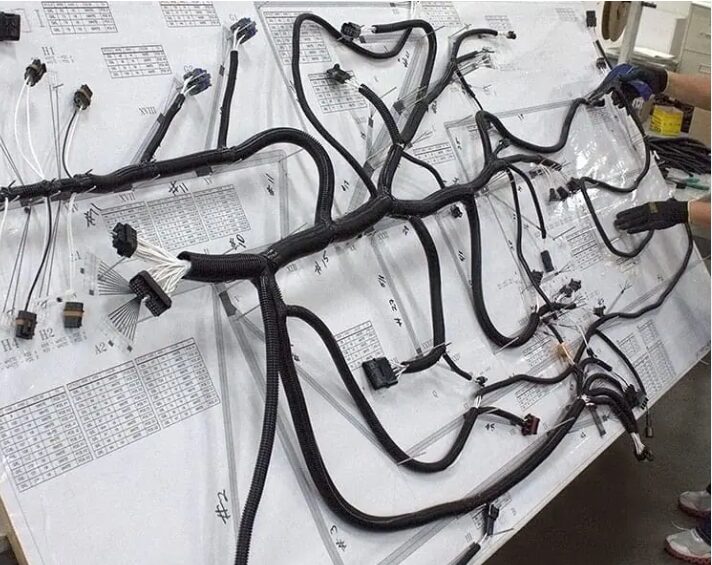
| Application System | Main Function | Core Requirements | Recommended Wire Types | Operating Temperature Range | Special Requirements |
| Ignition System | Connect ignition coils, ignition switches and spark plugs | Good insulation performance, conductivity, high-voltage pulse resistance | Copper wire, Copper alloy wire | -40℃~150℃ | High-voltage pulse resistance, vibration resistance |
| Lighting System | Transmit current to various lamps | Good heat resistance, durability, weather resistance | Copper wire, Copper-clad aluminum wire | -40℃~120℃ | UV resistance, weather resistance |
| Communication System | Transmit audio, video and data signals | Good signal transmission performance, shielding performance, anti-interference | Coaxial cable, Twisted pair | -40℃~85℃ | Characteristic impedance matching, low attenuation |
| Sensor System | Transmit sensor signals to control units | Good anti-interference, accurate signal transmission capability | Shielded cable, Copper wire | -40℃~125℃ | Low noise, high shielding |
| Control System | Connect ECU, braking systems and other control modules | High precision, low noise, reliable signal transmission capability | Multi-core shielded cable | -40℃~105℃ | High reliability, low latency |
| Power System | Transmit current to starter motors, generators | High safety, high durability, handle high currents | Large cross-section copper wire | -40℃~120℃ | High current carrying capacity, flame retardant |
4.2 What are the key considerations for each system?
4.2.1 Ignition System Application
The ignition system is one of the core systems of automotive engines, and low-voltage wiring harness conductors play a key role in it. Wires connect ignition coils, ignition switches and spark plugs, transmitting power to spark plugs to ignite the fuel mixture and drive engine operation.
Technical Points:
- Ignition instantaneously generates high-voltage pulses of tens of thousands of volts, wires must be able to withstand this transient high voltage without breakdown
- Ignition system operates in high temperature and high vibration environments, wires need good heat resistance and vibration resistance
- Insulation layer thickness needs special design to withstand high-voltage pulses
4.2.2 Lighting System Application
The lighting system is an important guarantee for safe vehicle driving. Low-voltage wiring harness conductors are widely used in automotive lighting systems, transmitting current to various lamps to provide appropriate lighting and signal display functions.
Technical Points:
- Temperatures near headlights can reach over 100℃, wires must be able to operate stably for long periods
- Need good weather resistance to resist erosion from external environments such as UV and rain
- Long-term continuous operation requires good heat aging resistance
4.2.3 Communication System Application
Communication systems in modern cars are becoming increasingly important, including in-vehicle entertainment systems, navigation systems, Bluetooth connections, in-vehicle Wi-Fi, Internet of Vehicles and other subsystems.
Technical Points:
- High-frequency signal transmission has strict requirements for wire characteristic impedance, attenuation constant and other parameters
- Coaxial cables or twisted pair structures are usually required
- Need good electromagnetic interference resistance to avoid interference from strong electromagnetic sources such as engines and motors
4.2.4 Sensor System Application
Sensors are key components for modern cars to perceive the external environment and their own status. Low-voltage wiring harness conductors connect various sensors such as temperature sensors, pressure sensors, speed sensors, oxygen sensors, radar sensors, etc.
Technical Points:
- Sensor signals are usually weak and easily interfered, wires need to adopt shielded structures
- Sensors are distributed in various positions throughout the vehicle with different working environments, wires need good environmental adaptability
- High signal transmission accuracy requires low noise and high stability
4.2.5 Control System Application
The control system is the “brain” of the car. Low-voltage wiring harness conductors connect multiple control modules such as Engine Control Unit (ECU), braking systems, steering systems, parking assist systems, and airbag systems.
Technical Points:
- Control signals have extremely high requirements for timing and precision, any signal delay or distortion may lead to control errors
- High-quality multi-core shielded cables are usually used to ensure accuracy and reliability of signal transmission
- Need to comply with automotive functional safety standards (ISO 26262)
4.2.6 Power System Application
The power system is the energy source of the automotive electrical system. Low-voltage wiring harness conductors are used in vehicle power systems, transmitting current to key components such as starter motors, generators, and batteries.
Technical Points:
- Starting instant current can reach hundreds of amperes, wires must have sufficient cross-sectional area and good conductivity
- Need to reduce voltage drop and energy loss
- Need good heat resistance and flame retardancy to prevent fires caused by overload or short circuits
5. Selection Decision Guide
5.1 What are the priority criteria for wire selection?
| Selection Criteria | Detailed Description | Priority | Weight |
| Conductivity | Should have low resistance and high conductivity to ensure stable current transmission | ⭐⭐⭐⭐⭐ | 25% |
| Heat & Oil Resistance | Engine compartment temperatures are usually high, can reach over 120℃ under extreme conditions | ⭐⭐⭐⭐⭐ | 20% |
| Insulation Performance | Should have good insulation resistance and dielectric strength to effectively isolate wires from other electronic components | ⭐⭐⭐⭐⭐ | 20% |
| Safety & Standard Compliance | Should comply with automotive safety standards such as ISO 6722, SAE J1128, etc. | ⭐⭐⭐⭐⭐ | 20% |
| Flexibility & Tensile Strength | Automotive interior space is compact with complex routing paths, wires must have sufficient flexibility | ⭐⭐⭐⭐ | 10% |
| Cost & Sustainability | On the premise of meeting performance requirements, should select the most cost-effective wire within a reasonable range | ⭐⭐⭐ | 5% |
5.2 What is the wire selection decision process?
Selection Decision Process:
Determine Application Scenario → Analyze Working Environment → Determine Performance Requirements → Select Conductor Material → Determine Wire Specification → Verify Standard Compliance → Cost Optimization
5.3 What are common wire selection mistakes to avoid?
| Mistake | Correct Approach |
| Focus only on cost, ignore performance | Optimize cost on the premise of meeting performance requirements |
| Use the same wire for all circuits | Select different wires according to different application scenarios |
| Ignore working environment factors | Fully consider temperature, chemical, mechanical and other environmental factors |
| Don’t consider future upgrade needs | Reserve certain performance margins |
| Ignore standard compliance | Ensure compliance with relevant automotive industry standards |
6. Future Development Trends
6.1 What are the emerging technology trends in automotive wiring?
| Development Direction | Core Technology | Expected Benefits | Maturity | Application Time |
| Electrification Adaptation | High-voltage insulation, electromagnetic compatibility | Support higher current loads, more electrical devices | ⭐⭐⭐⭐ | Commercialized |
| Semiconductor Integration | Smart chips, real-time monitoring | Fault diagnosis, predictive maintenance | ⭐⭐⭐ | 2025-2027 |
| Lightweight Design | Aluminum alloy wires, thin-wall insulation | Weight reduction over 30%, increased range | ⭐⭐⭐⭐ | Commercialized |
| Flexible Wires | Ultra-fine wires, flat wires, flexible circuit boards | Simplify wiring, save space | ⭐⭐⭐ | 2024-2026 |
| Green & Environmental | Recyclable materials, halogen-free flame retardants | Reduce environmental impact, comply with regulations | ⭐⭐⭐⭐ | Commercialized |
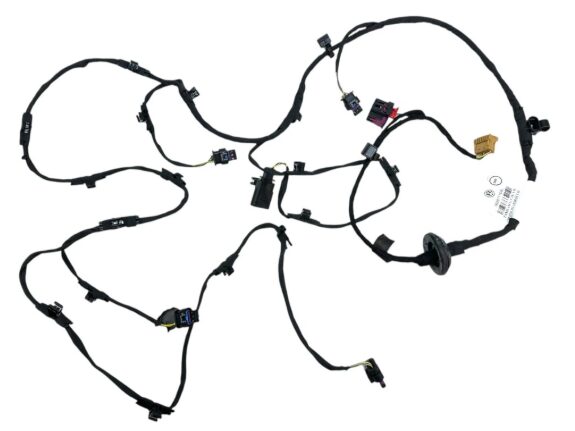
6.2 How does electrification impact wiring harness design?
With the rapid popularization of electrification and hybrid vehicles, low-voltage wiring harness conductors will face greater challenges and opportunities. These vehicles require more complex electrical systems and higher energy transmission demands. High-voltage and low-voltage systems coexist, imposing higher requirements on wire insulation performance and voltage ratings.
Core Challenges:
- Coexistence of high-voltage and low-voltage systems, higher electromagnetic compatibility requirements
- Current loads increase significantly, wire cross-sectional areas need to increase accordingly
- Higher thermal management requirements, need better heat dissipation design
6.3 How will semiconductor integration make wires smarter?
With the continuous development of semiconductor technology, future low-voltage wiring harness conductors will become smarter. Wires integrated with semiconductor components and chips will be able to achieve more advanced functions, such as real-time data transmission, signal processing, fault diagnosis and predictive maintenance.
Smart Wire Functions:
- Real-time monitoring of own working status (temperature, current, voltage and other parameters)
- Timely alarm upon detecting abnormalities to prevent fault expansion
- Achieve wire identification and traceability, improving supply chain management transparency
6.4 What are the best strategies for wiring harness lightweighting?
As the automotive industry increasingly focuses on fuel efficiency and environmental protection, low-voltage wiring harness conductors also need to develop in the direction of lightweight.
Lightweight Strategies:
- Use efficient aluminum alloy wires instead of traditional copper wires, achieving weight reduction of over 30%
- Optimize wire cross-sectional shapes to improve material utilization
- Use thin-wall insulation materials to reduce non-conductive material weight
- Reduce redundant length, precisely calculate routing paths
Material Innovation:Copper-Clad Steel composite conductors, as one of the lightweight solutions, are widely used in scenarios such as engine compartment harnesses, grounding wires, and high-vibration areas due to their high strength (tensile strength 350-760 MPa) and cost advantages. FISSOT ultra-low carbon high-boron copper-clad steel products achieve 19% IACS conductivity, suitable for soft-state high-conductivity copper-clad steel harnesses and medium-to-high strength (≥800MPa) hard-state copper-clad steel harnesses, featuring high temperature resistance, vibration resistance, flame retardancy, flexibility, corrosion resistance and environmental performance.
6.5 What innovations are driving flexible wire technology?
Flexible wire technology is another important development direction for future low-voltage wiring harness conductors. Flexible wires can better adapt to complex body shapes and installation requirements, providing more flexible wiring solutions.
Technology Forms:
- Ultra-fine wires: Smaller diameter, smaller bending radius
- Flat wires: Smaller space occupation, easy to hide wiring
- Flexible circuit boards: Achieve innovative concept of “structure as wire”
6.6 How to ensure environmental sustainability in wire manufacturing?
With the improvement of global environmental awareness and increasingly strict regulations, the green environmental performance of low-voltage wiring harness conductors will become an important competitiveness indicator.
Environmental Strategies:
- Use halogen-free flame retardant materials to reduce toxic gas emissions during fires
- Use recyclable insulation materials to improve product recycling rate
- Optimize production processes to reduce energy consumption and waste generation
- Conduct environmental impact assessment of products throughout their lifecycle
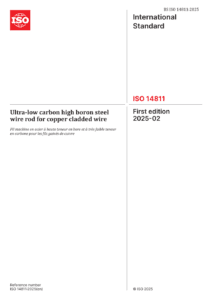
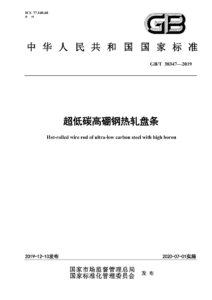
Standards & Certifications: In February 2025, the International Organization for Standardization (ISO) promulgated and implemented the international standard ISO 14811:2024 “Ultra-Low Carbon High-Boron Steel Wire for Copper-Clad Steel”; in June 2023, the national standard GB/T38347-2019 “Hot-Rolled Ultra-Low Carbon High-Boron Steel Wire” was promulgated and implemented. The improvement of industry standards will promote the standardized development of copper-clad steel products.
7. Conclusion
As a fundamental component of automotive electrical systems, the selection and application of low-voltage wiring harness conductors directly relates to the performance, safety and reliability of the entire vehicle. Reasonably selecting suitable conductor materials and structures can improve the reliability and stability of automotive systems while meeting automotive functional requirements, providing a safe and comfortable travel experience for passengers.
From the perspective of technical development trends, low-voltage wiring harness conductors are rapidly evolving towards material innovation, intelligent and automated integration, and green environmental sustainability. The application of new materials will continuously expand the performance boundaries of conductors, intelligent technologies will endow wires with more functions and value, and green environmental concepts will drive the entire industry towards sustainable development.
With technological progress and industrial upgrading, the application of low-voltage wiring harness conductors in the automotive industry will continue to be promoted and improved. Future low-voltage wiring harness conductors will be smarter, more efficient, and more environmentally friendly, providing solid technical support for the transformation and upgrading of the automotive industry and contributing greater value to human’s better travel life.
Document prepared by FISSOT Technical Content Team
Appendix: FISSOT Product Introduction
FISSOT, in collaboration with Shougang Group, has developed ultra-low carbon high-boron copper-clad steel coils with conductivity as high as 19% IACS, featuring excellent mechanical properties, low magnetic permeability, good flexibility and high steel purity.
Product Application Fields
- Special signal cables (automotive RF cable cores)
- Automotive grounding wires (tin-plated copper-clad steel wires)
- Automotive transmission cables (copper-clad steel strands)
- High-performance new energy vehicle wires
- Signal transmission lines (audio-video and signal transmission)
Product Certifications
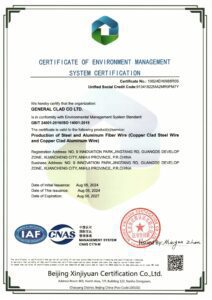
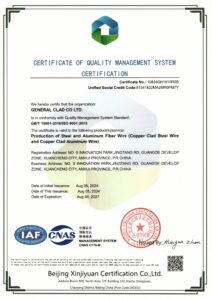
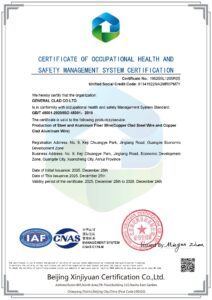
Products pass ISO, UL, IEC and other international certifications, meeting automotive industry requirements for high temperature resistance, vibration resistance, flame retardancy, flexibility, corrosion resistance and environmental protection.