

As the global pivot toward carbon neutrality accelerates, the demands on electrical infrastructure have evolved beyond the physical limits of solid copper. FISSOT® delivers a specialized bimetallic roadmap for the renewable sector:
Wind Power: High-strength CCS for lightning protection (Skin Effect) and vertical tower tension.
Solar Energy: Ultra-lightweight CCA to optimize PV array tracking efficiency and lower the Levelized Cost of Energy (LCOE).
Hydrogen Energy: Heat and corrosion-resistant NCC to ensure stability in alkaline electrolyzer stacks.
By integrating our patented Cold Cladding Technology, we assist energy developers in reducing conductor weight by up to 40% and infrastructure costs by 35%, while ensuring a 25-year service life in extreme offshore and industrial environments.
The Bimetallic Matrix: Wind, Solar & Hydrogen Solutions
| Key Property | Wind Power (CCS) | Solar Energy (CCA) | Hydrogen Energy (NCC) |
|---|---|---|---|
| Primary Objective | Lightning & Tension | Weight & Cost (LCOE) | Corrosion & Heat |
| Weight Advantage | ~10% Lighter | 30%-40% Lighter | Balanced conductivity |
| Durability Factor | ≥2000 MPa Tensile | Flexibility & Ductility | Alkaline Resistant |
| Critical Benefit | Anti-Theft Grounding | Lower Tracker Loading | No Interfacial Alloying |
| FISSOT Patented Tech | Cold Cladding (Steel Core) | Advanced Annealing (AL) | Seamless Nickel Cladding |
Reduce Costs Without Sacrificing Performance
Switching from solid copper to FISSOT® CCS&CCA can reduce your material costs by up to 40%.
Integrated New Energy Conductor Portfolio

COPPER CLAD STEEL WIRE
High-strength grounding and lightning protection systems designed for onshore and offshore turbine towers.
Read More
COPPER CLAD ALUMINUM WIRE
Lightweight grounding and busbar solutions optimized for utility-scale solar arrays and tracking systems.
Read More
NICKEL CLAD COPPER WIRE
Nickel-clad copper conductors engineered for alkaline environments and high-temperature hydrogen production.
Read MoreFrequently Asked Questions
Why is CCS preferred over pure copper for wind turbine lightning protection?
How does CCA contribute to a lower LCOE in solar projects?
Why is nickel clad copper (NCC) essential for hydrogen electrolyzer stacks?
Do these materials meet global renewable energy standards?
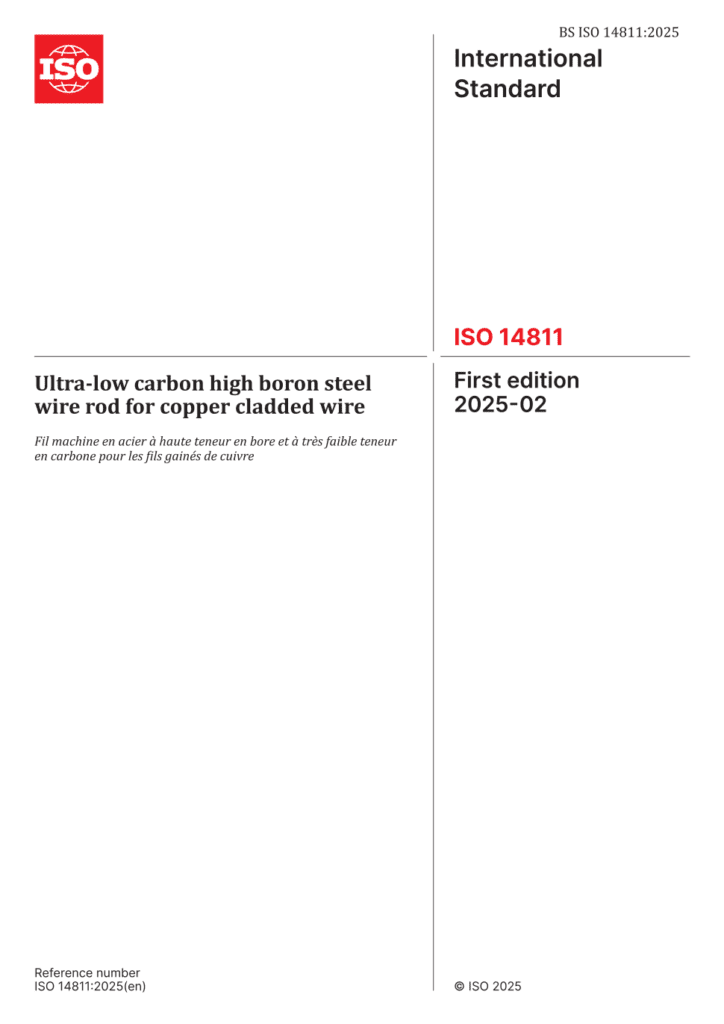
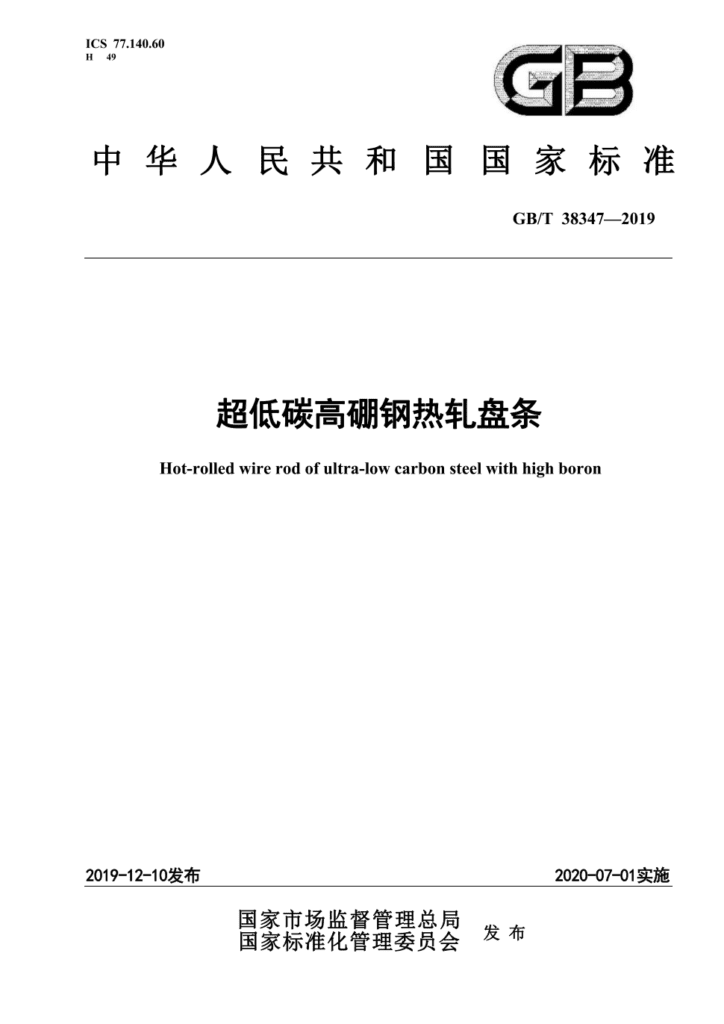
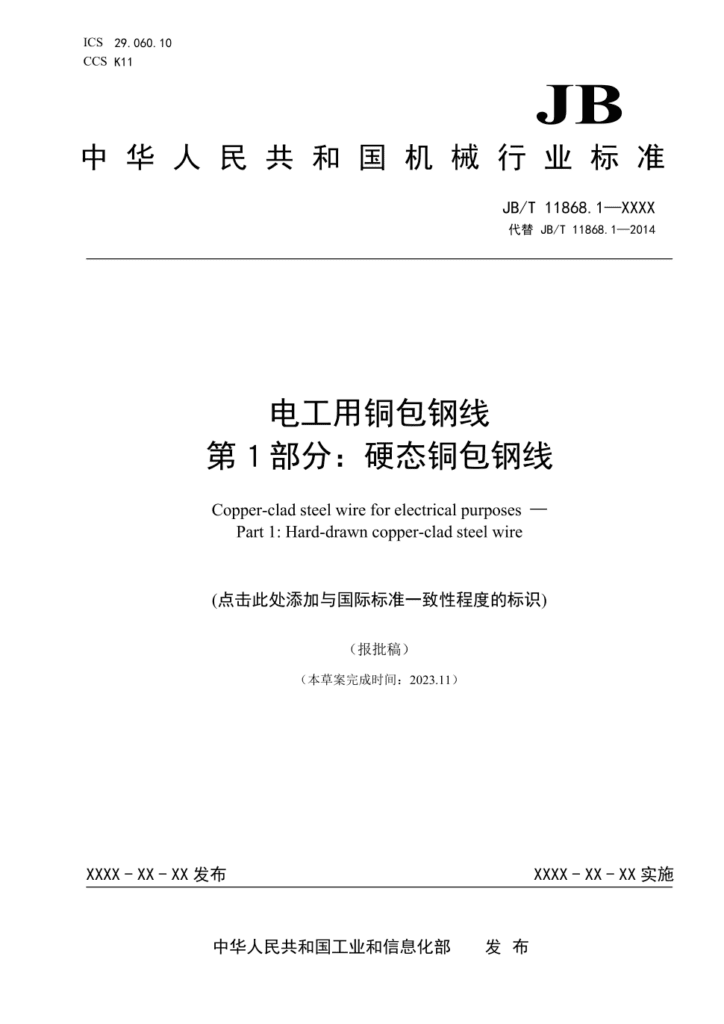
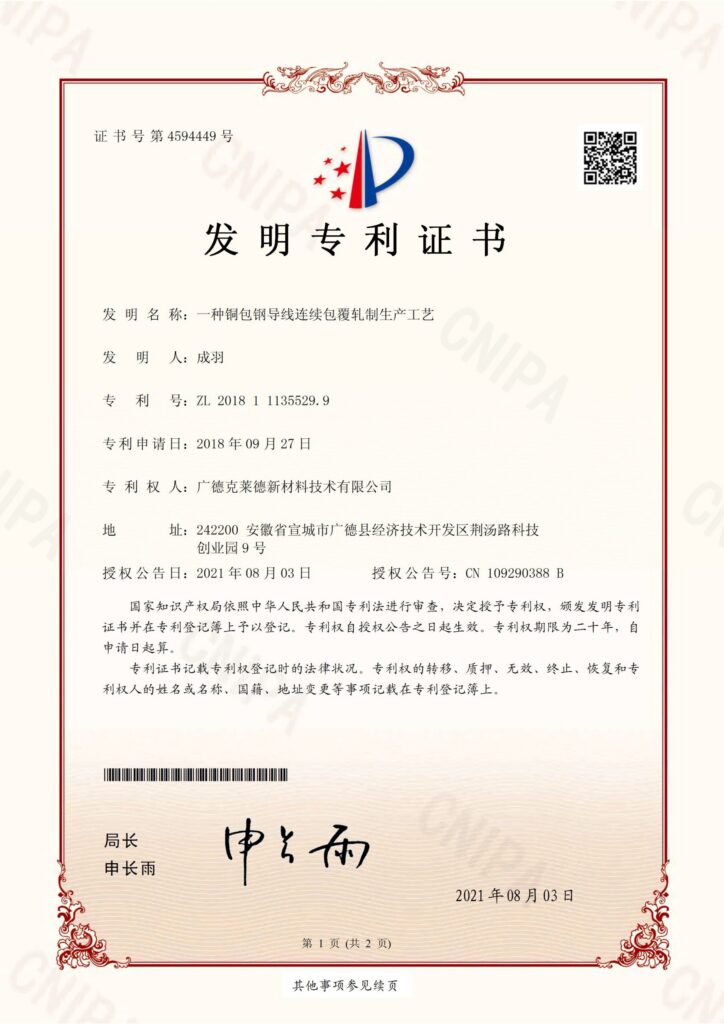
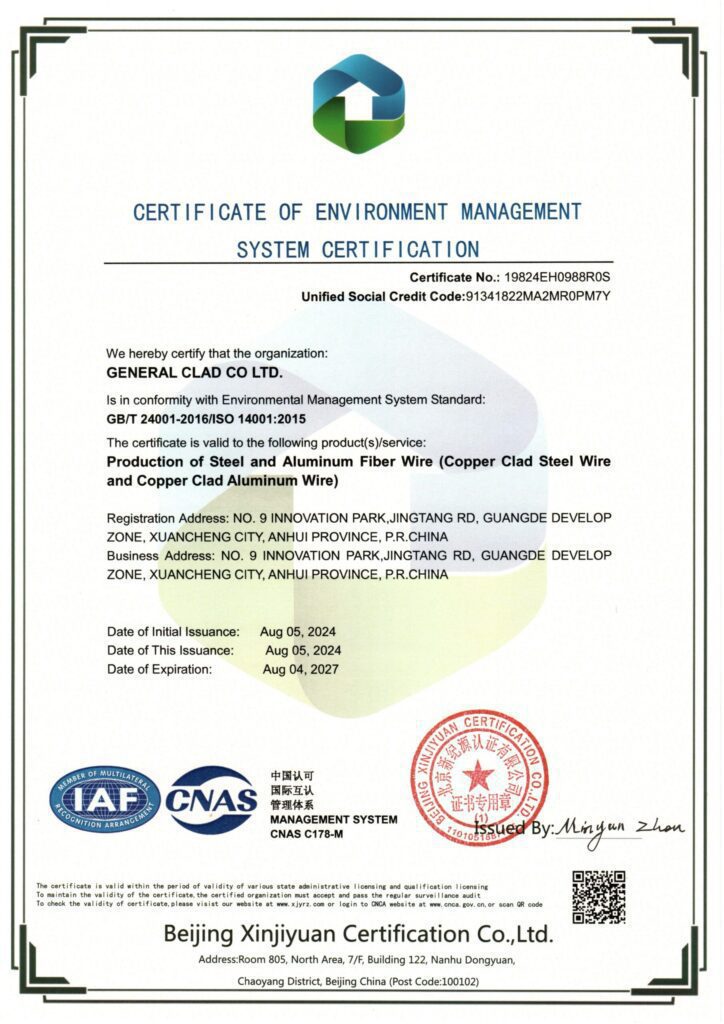
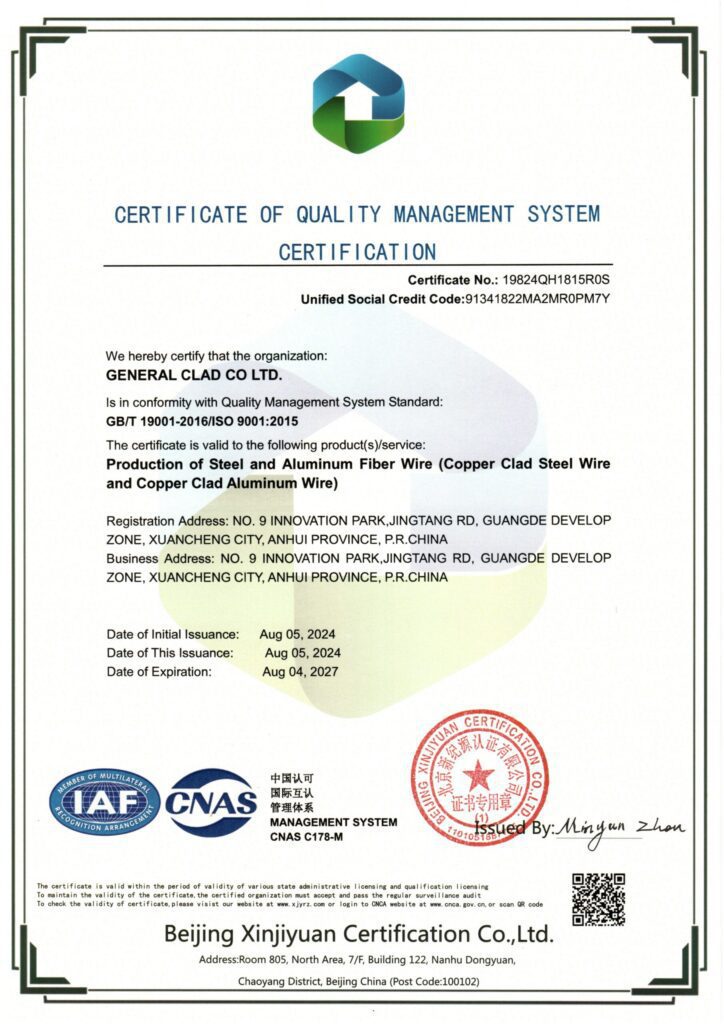
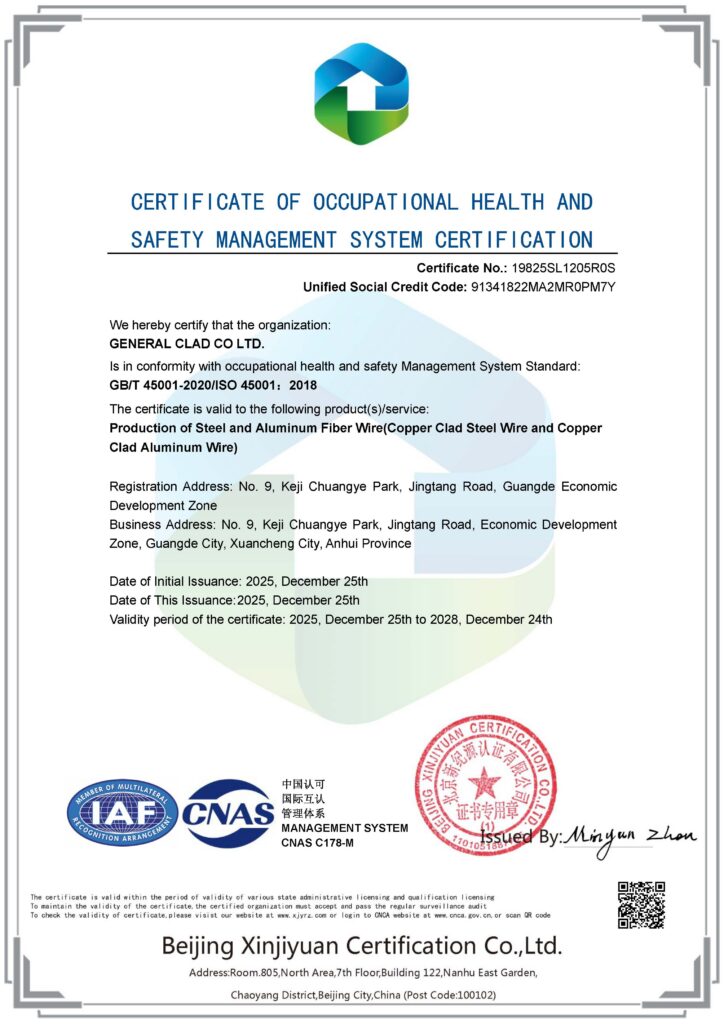
Certifications & Global Standards
As a technology-driven leader, FISSOT® actively shapes the industry by drafting international and national bimetallic wire standards.
Latest News

Driving Reliability in Wind Energy: The Engineering Case for High-Performance Copper Clad Steel (CCS) Wire
Get Your Custom Manufacturing Quote
Fill out the form to get a detailed estimate within 24 hours. Our engineers are ready to assist you with your next big project.
- Free Expert Consultation
- Strict NDA Protection
- Fast Prototyping
 English
 简体中文
简体中文 Español
 Русский
 日本語
日本語 Türkçe