
Copper Clad Steel (CCS) is a unique composite material that harmoniously combines the best properties of copper and steel, creating a solution that excels in both performance and practicality across diverse industries. At its core, CCS consists of a steel core—typically low, high, or extra-high strength carbon steel—surrounded by a thin layer of copper, forming a conductor that leverages copper’s superior electrical conductivity and steel’s exceptional strength and durability.
Composition and Manufacturing
The manufacturing of CCS involves bonding copper to a steel core through two primary methods: cladding and electroplating. Cladding uses heat and pressure to fuse copper sheets onto the steel, while electroplating employs electricity to control the thickness of the copper layer precisely. The bonding between copper and steel is achieved via mechanical bonding (using pressure and heat for structural resilience) or molecular bonding (joining at the molecular level for enhanced conductivity and corrosion resistance), ensuring the material meets specific application needs. This production process is also eco-friendly, reducing waste and energy consumption compared to using solid copper alone.
Key Properties
CCS stands out for its balanced set of properties:
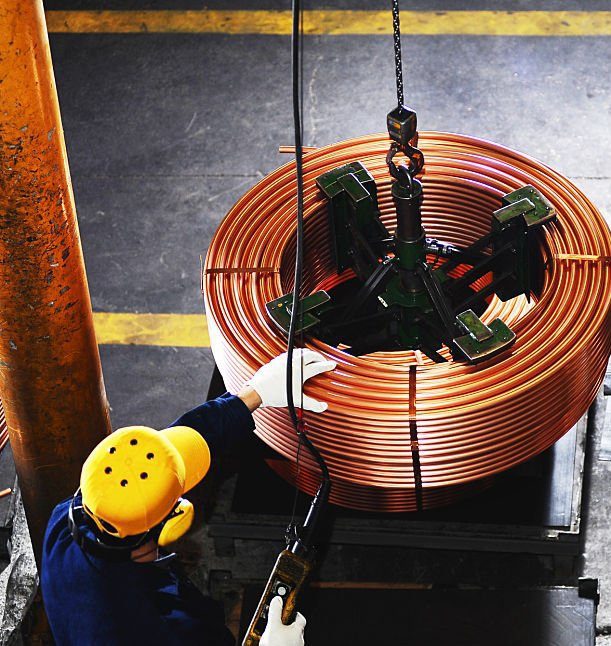
- Electrical Conductivity: With typical conductivity ranging from 30% to 40% IACS (International Annealed Copper Standard), CCS efficiently conducts electricity, making it ideal for signal transmission. Its performance in high-frequency applications is enhanced by the “skin effect,” where high-frequency currents primarily travel through the outer copper layer.
- Strength and Durability: The steel core provides exceptional tensile strength, allowing CCS to withstand heavy loads, vibrations, and mechanical stress—outperforming solid copper in structural resilience.
- Corrosion Resistance: The copper cladding protects against rust and degradation, making CCS suitable for harsh environments, including outdoor, underground, and even offshore settings.
- Flexibility: Mild steel cores offer added flexibility, facilitating easy handling and installation without specialized tools.
- Cost-Effectiveness: By using steel as the core, CCS reduces reliance on expensive copper, lowering costs while retaining copper’s functional benefits—a critical advantage for large-scale projects.
Standards and Specifications
CCS production adheres to strict industry standards, including ASTM B227 (for hard-drawn copper-clad steel wire), ASTM B228 (for concentric-lay-stranded conductors), and ASTM B910 (for annealed copper-clad steel wire). It is available in various configurations, such as bare wire or plated with silver, nickel, or tin, and common sizes include 1, 3, 7, and 19-strand cables. Sheaths can also be added for additional protection in specific applications.
Applications Across Industries
CCS’s versatility makes it indispensable across numerous sectors:
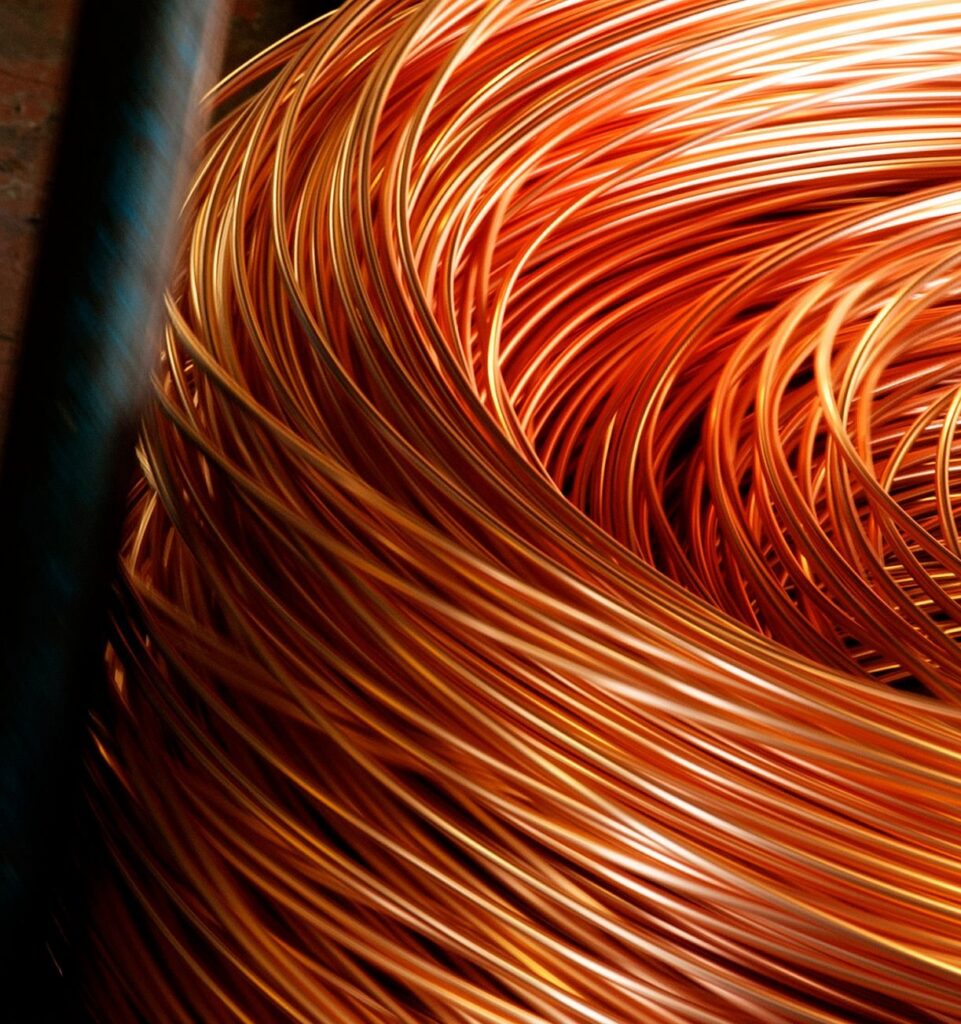
- Telecommunications: Vital for 5G networks, signal transmission, and coaxial cables, where it ensures minimal signal loss and durability.
- Electrical Systems: Used in grounding, tracer wires for locating underground utilities, and power grids, offering safety and reliability.
- Construction and Infrastructure: Employed in messenger wires, overhead grounding systems, and renewable energy setups (e.g., wind farms), thanks to its strength and corrosion resistance.
- Transportation and Defense: Integrated into railway signaling, aerospace components, and military equipment, benefiting from its robustness and conductivity.
- Oil and Gas: Utilized for grounding and cathodic protection, safeguarding pipelines and tanks in harsh environments.
Additional Advantages
Beyond performance, CCS is theft-resistant due to its low scrap value and supports sustainability by reducing copper usage and minimizing waste. Its ease of installation further enhances its appeal across industries.
In summary, Copper Clad Steel emerges as a cost-effective, durable, and versatile material, bridging the gap between strength and conductivity to meet the demands of modern applications.